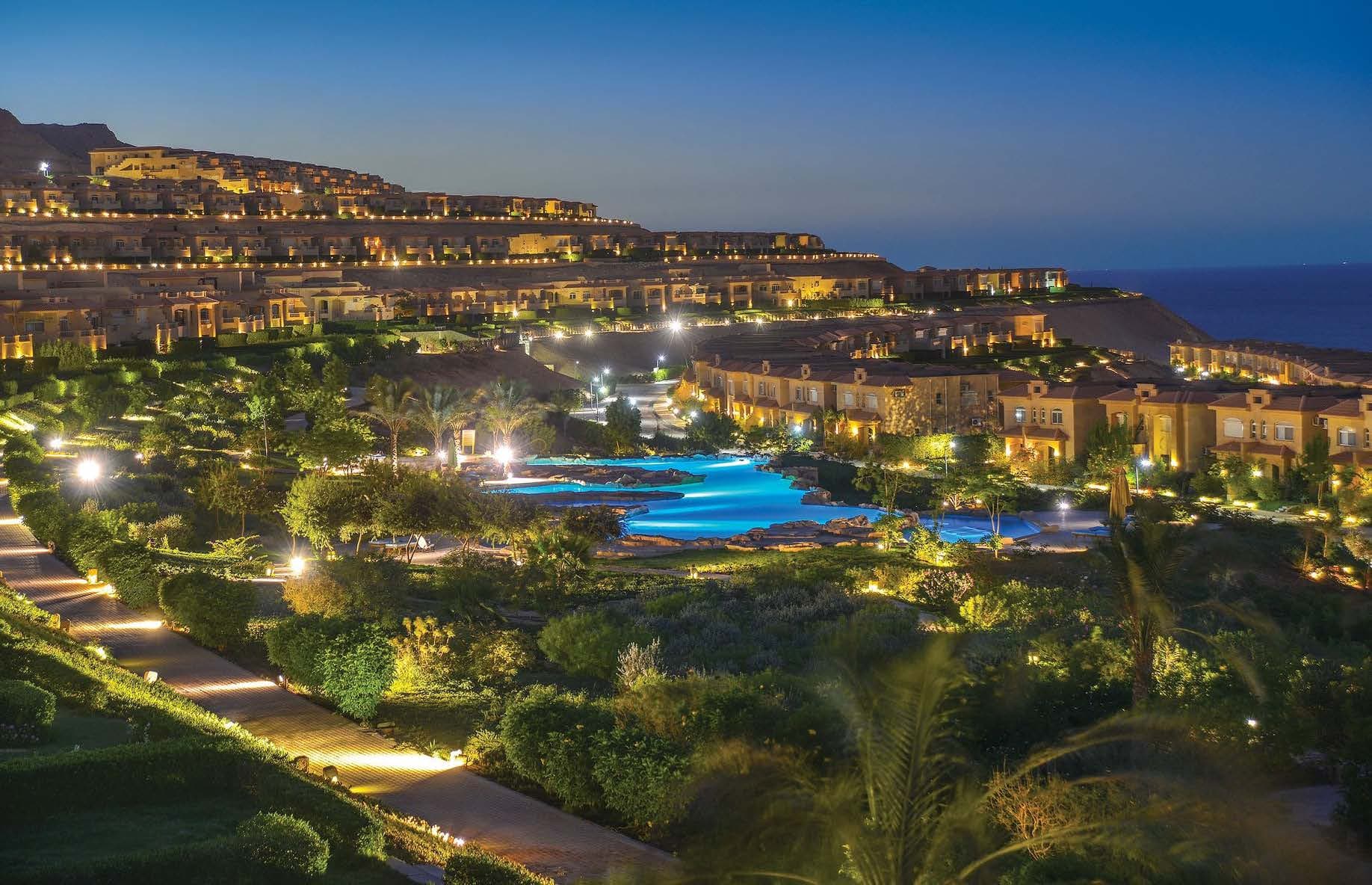
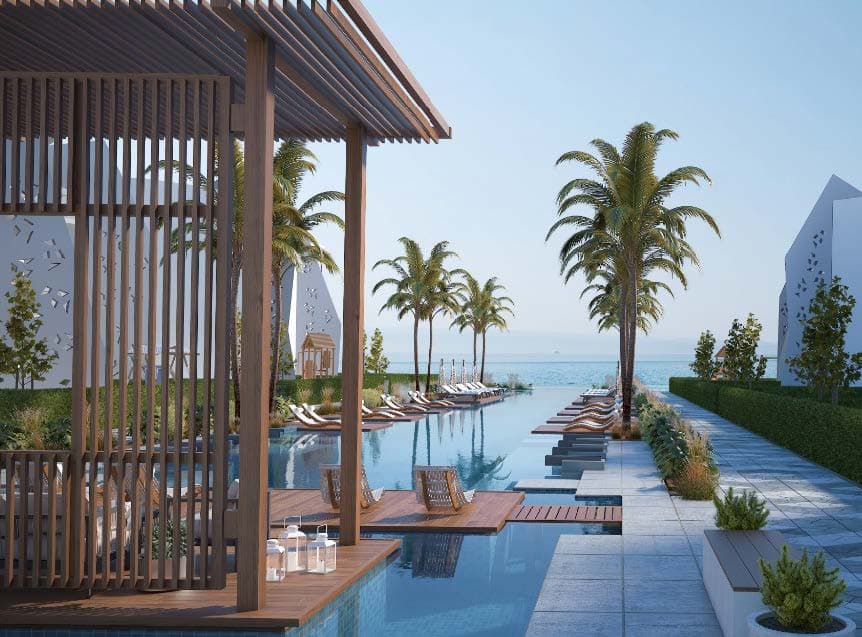
Landscape architecture has the unique power to shape human behavior and social interaction. When designed with community in mind, outdoor spaces become catalysts for connection, belonging, and shared experiences.
Designing for Social Interaction
Strategic placement of seating, gathering areas, and activity zones can encourage natural social encounters. Our residential projects include community gardens, playground areas, and shared outdoor kitchens that bring neighbors together.
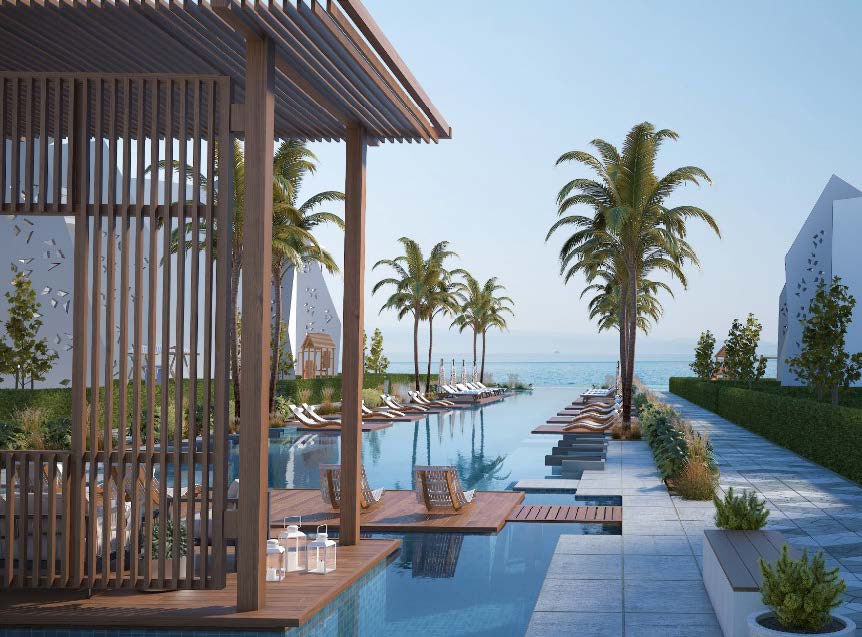
Research shows that communities with well-designed shared spaces report 30% higher levels of neighbor interaction and community satisfaction.
Inclusive Design Principles
True community spaces welcome people of all ages and abilities. Universal design principles ensure that landscapes are accessible to elderly residents, families with young children, and individuals with mobility challenges.

Programming for Connection
Beyond physical design, successful community landscapes include programming opportunities—farmers markets, outdoor movie nights, fitness classes, and cultural events that activate spaces and create shared memories.
"The best community landscapes don't just look beautiful—they create opportunities for human connection and shared experiences that strengthen social fabric."
Cultural Sensitivity and Local Identity
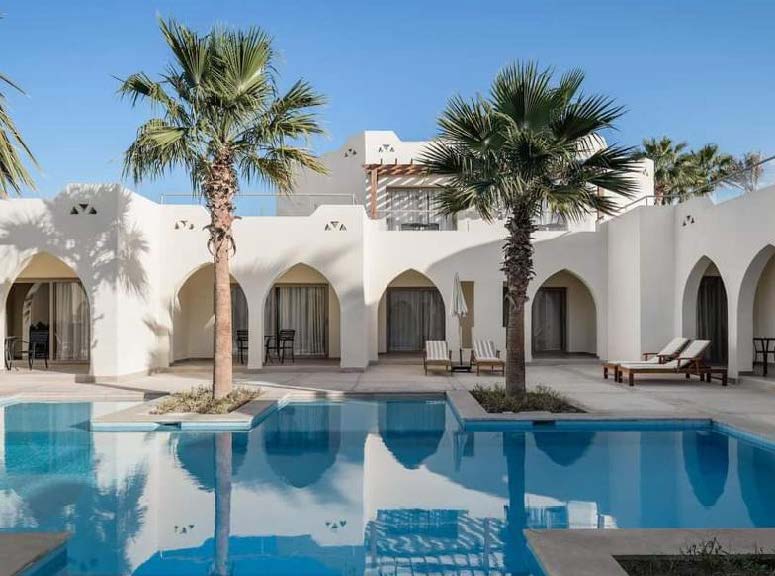
Community landscapes should reflect the cultural values and traditions of their users. In our Middle Eastern projects, we incorporate traditional elements like courtyard gardens, water features for reflection, and spaces for extended family gatherings.
Maintenance as Community Building
Involving residents in landscape maintenance through community garden programs and volunteer opportunities creates ownership and pride while building relationships among neighbors.
Our community-focused projects have shown measurable improvements in property values, resident retention rates, and overall quality of life indicators, proving that social design principles create tangible value for developers and residents alike.