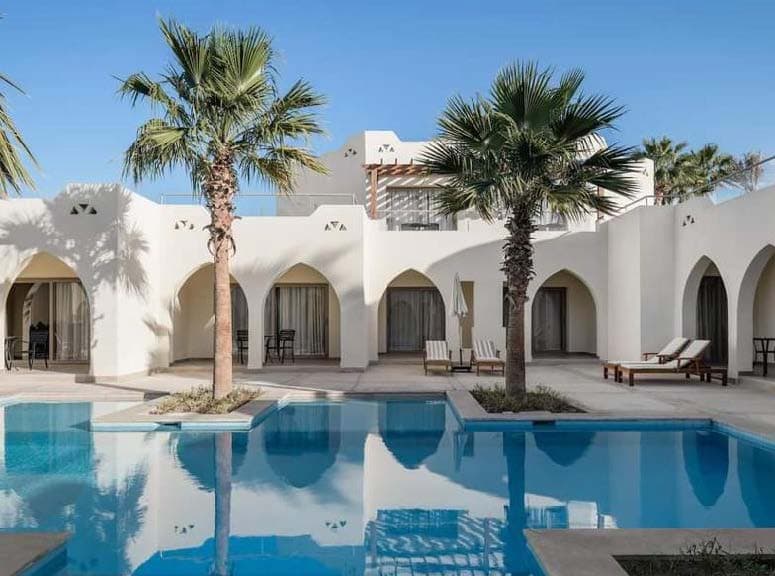
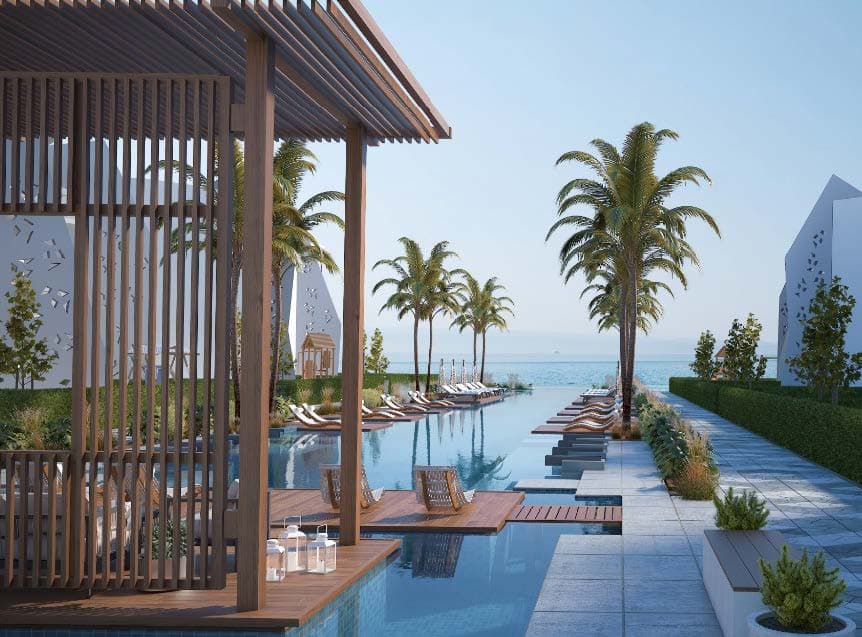
The Middle East presents unique challenges for landscape architects, with its arid climate, water scarcity, and extreme temperatures. However, these challenges have sparked innovation in sustainable design practices that not only conserve resources but create stunning outdoor environments.
Water Conservation Strategies
Water is the most precious resource in Middle Eastern landscape design. Our approach focuses on xerophytic gardens that utilize drought-resistant plants and innovative irrigation systems.
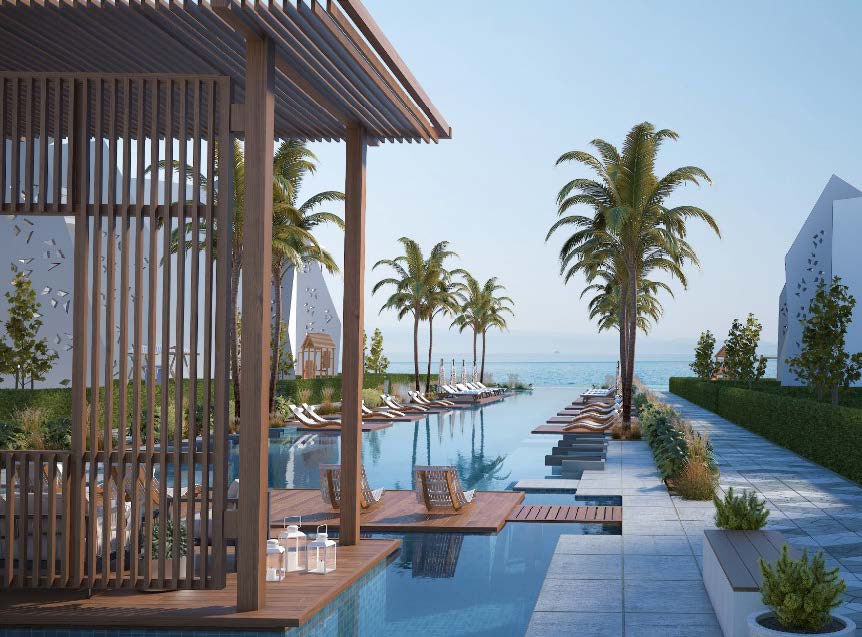
Smart irrigation systems, including drip irrigation and sensor-based watering, reduce water consumption by up to 40% while maintaining lush, green spaces. We also incorporate water harvesting techniques to capture and reuse rainwater during brief seasonal rains.
Native Plant Integration
Working with the natural ecosystem rather than against it has become a cornerstone of our design philosophy. Native plants not only require less water and maintenance but also support local wildlife and preserve regional biodiversity.
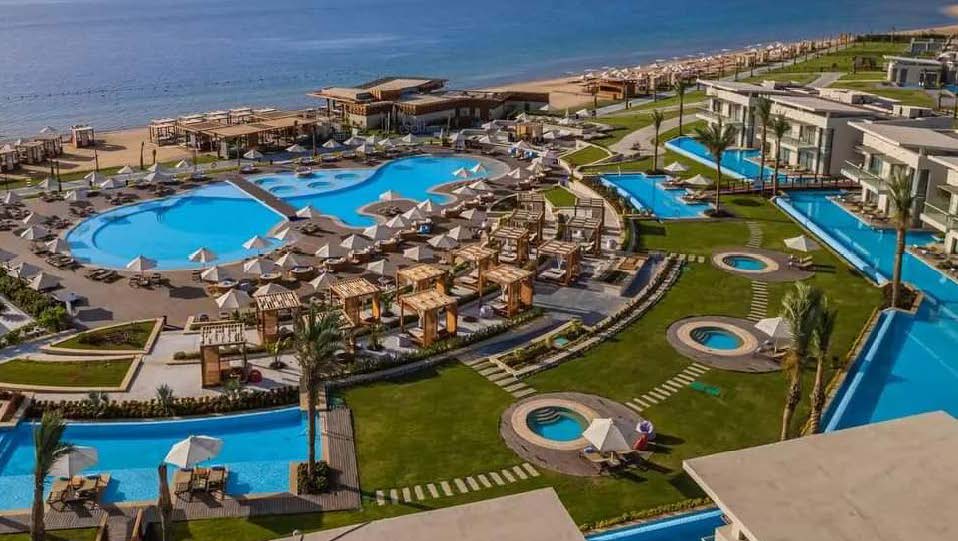
"Sustainable landscape design is not about limitation—it's about working with nature to create spaces that are both beautiful and environmentally responsible."
Microclimate Creation
Strategic use of shade structures, water features, and vegetation placement can create comfortable microclimates that extend the usability of outdoor spaces throughout the year.
Our recent projects have demonstrated that sustainable practices can reduce maintenance costs by 30% while creating landscapes that are more resilient to climate change.