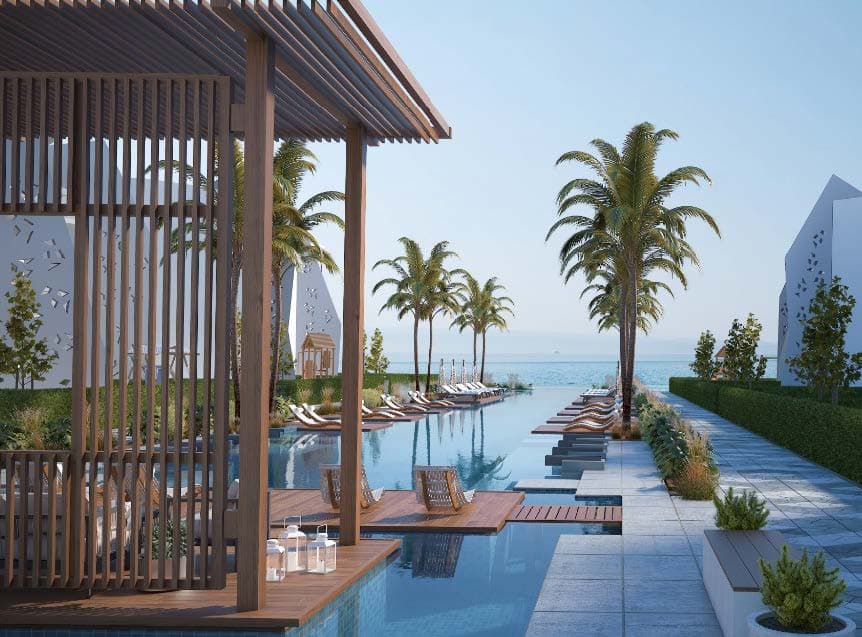
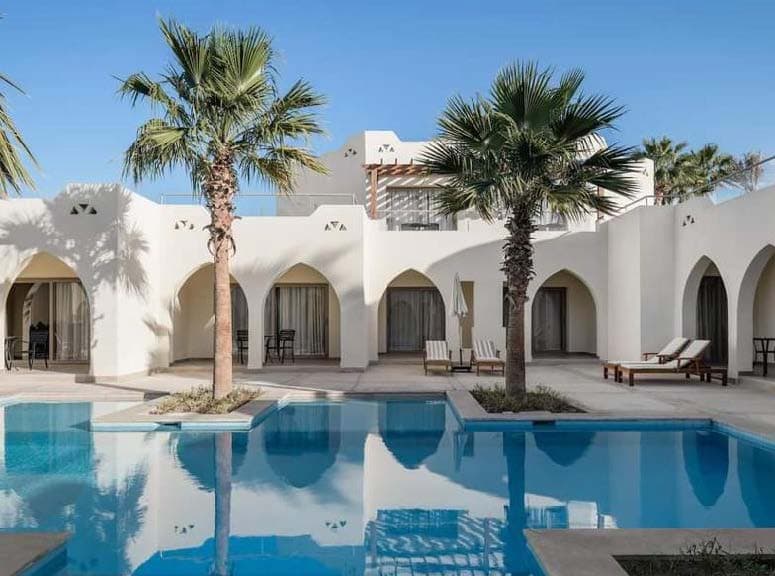
Urban green spaces are evolving from simple parks to multifunctional ecosystems that address multiple urban challenges simultaneously. The future of city planning increasingly depends on these intelligent landscape solutions.
Vertical Forests and Living Walls
As urban density increases, we're looking upward for green space solutions. Vertical gardens and living walls not only provide greenery but also improve air quality and building insulation.
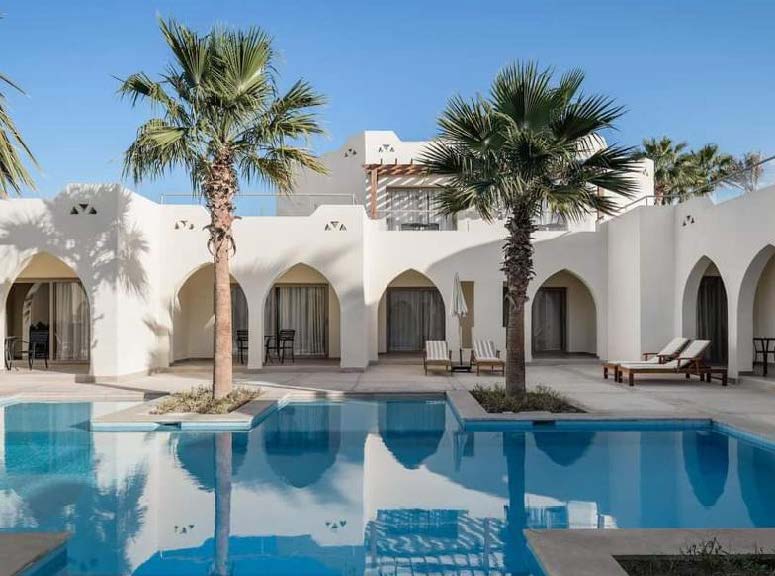
These installations can reduce building energy consumption by up to 20% while filtering thousands of cubic meters of air daily.
Smart Park Technology
The integration of IoT sensors and smart systems allows parks to respond dynamically to environmental conditions and user needs. From automated irrigation to air quality monitoring, technology is making green spaces more efficient and responsive.
Community-Centric Design
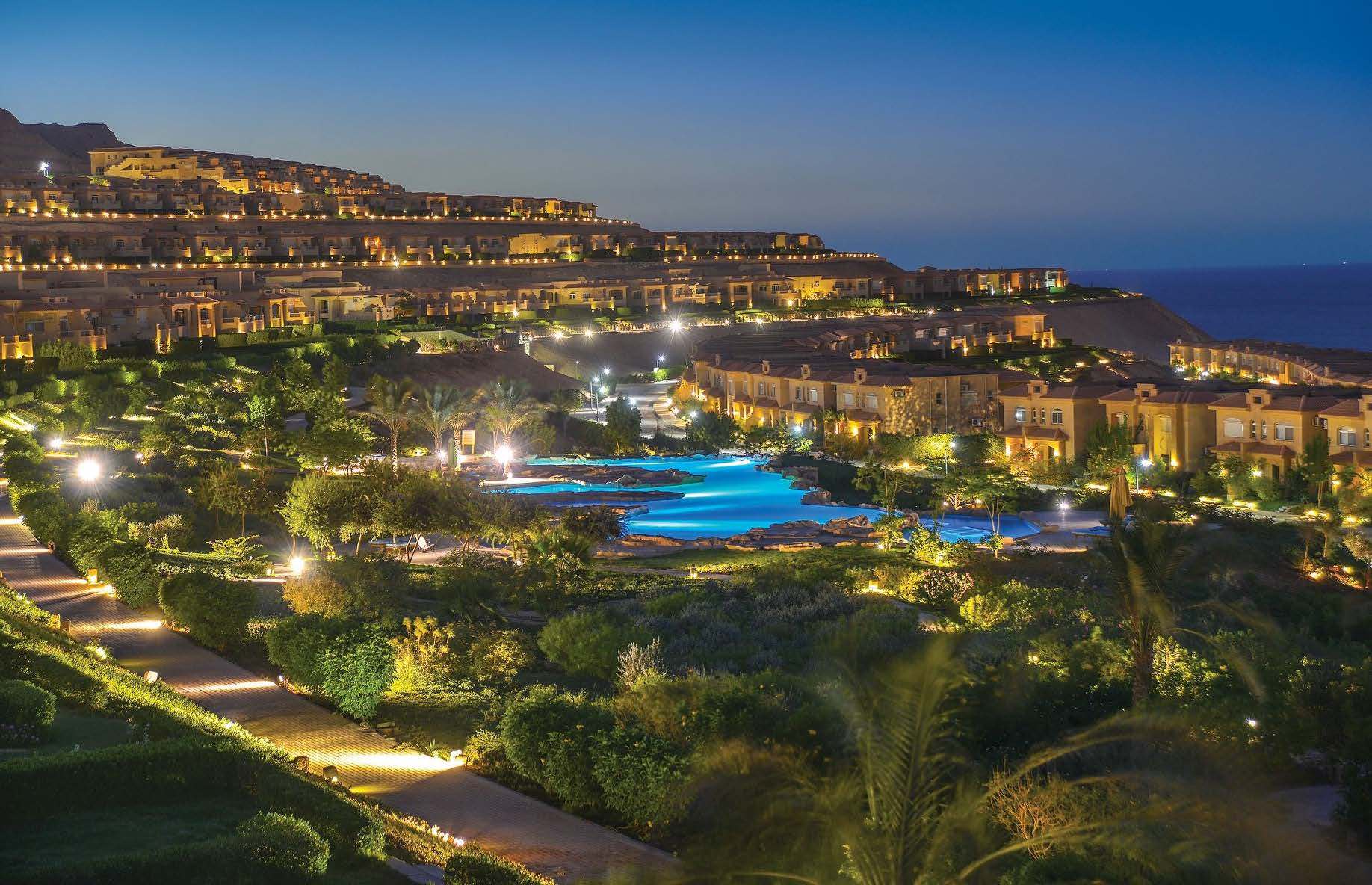
Future urban green spaces prioritize community involvement in both design and maintenance. Community gardens, outdoor classrooms, and flexible event spaces create opportunities for social interaction and environmental education.
"The most successful urban green spaces are those that serve multiple functions—environmental, social, and economic—creating value for the entire community."
Research shows that well-designed urban green spaces can increase property values by 15% while reducing crime rates and improving mental health outcomes for residents.